
Signs It’s Time To Replace Your Truck’s Suspension
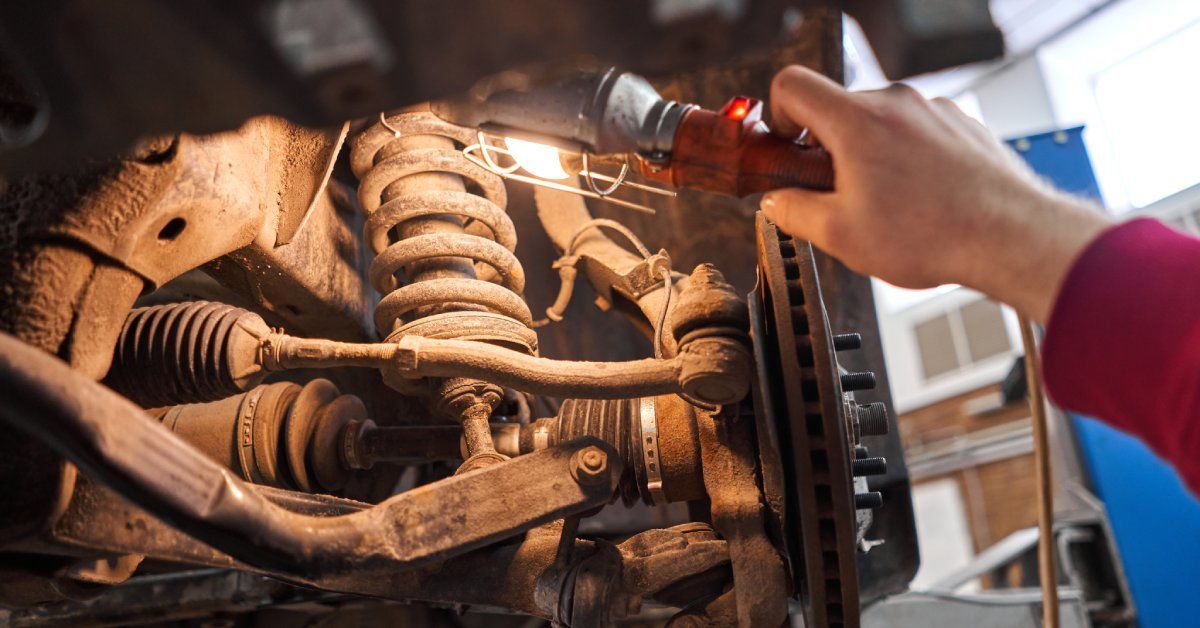
A good truck is always built to be tough, capable of hauling heavy loads and navigating all sorts of terrain. A huge part of that capability comes from its suspension system, the network of springs, shock absorbers, and linkages that connect your truck to its wheels. This system provides a smooth ride and keeps you in control, but it doesn't last forever. Over time, its components wear down, and you might start to notice that your ride isn’t what it used to be. Paying attention to your vehicle's behavior can help you spot the signs it’s time to replace your truck’s suspension.
The Infamous Bumpy Ride
One of the most apparent clues of a worn-out suspension is a dramatic decrease in ride quality. You’ll start to feel every single bump, crack, and pebble in the road. A healthy suspension will absorb these imperfections, which gives you a comfortable and stable ride. When the shocks and struts wear down, they lose their ability to dampen these impacts, and the vibrations transfer directly into the truck's cabin.
This isn't just about comfort; it's about control. A truck that bounces excessively after hitting a bump can be difficult to handle, especially at higher speeds or on uneven surfaces. It might feel like you're on a boat, with the truck floating and swaying more than it should. This sensation is a clear signal that your shock absorbers are no longer up to the task of keeping your tires firmly planted on the pavement.
A Noticeable Dive or Squat
Pay attention to how your truck behaves when you brake or accelerate. When you apply the brakes, does the front end of your truck dip or dive forward? Or, when you press the gas, does the rear end squat down? These movements indicate that your shocks or struts are too weak to handle the weight transfer that happens during these actions.
A good suspension system manages this weight shift smoothly, which keeps the truck level and stable. A pronounced dive happening every time you brake can actually increase your stopping distance, as the weight distribution on the tires is fully compromised. Similarly, a rear squat on acceleration can affect your steering and traction. Both are signs that your suspension components are failing and need attention.
That "Leaning" Sensation in Turns
Your truck should feel planted and secure when you navigate corners and turns. If you feel the body of the truck lean or roll excessively to the outside of a turn, your suspension is showing its age. This body roll happens when worn shocks, struts, or sway bar links can no longer counteract the centrifugal force that pushes your truck outward.
This sensation can be unsettling and can reduce your confidence as a driver. It means your suspension isn't doing its job to keep the tires in optimal contact with the road through the corner. A stable, responsive feeling during turns is a hallmark of a healthy suspension. A feeling of instability is a definite red flag that something is wrong.
The Bounce Test: A Simple Check
You can perform a quick, simple check on your own. Go to one corner of your truck and push down on the bumper with all your weight. Release it quickly and watch how the truck responds. A vehicle with a healthy suspension will bounce back up once, maybe twice, and then settle.
If your truck continues to bounce up and down three or more times, it’s a classic sign of worn shocks or struts. They have lost their dampening ability and can no longer control the movement of the vehicle's springs. Repeat this test on all four corners of the truck to get a full picture of your suspension's health.
Uneven Tire Wear
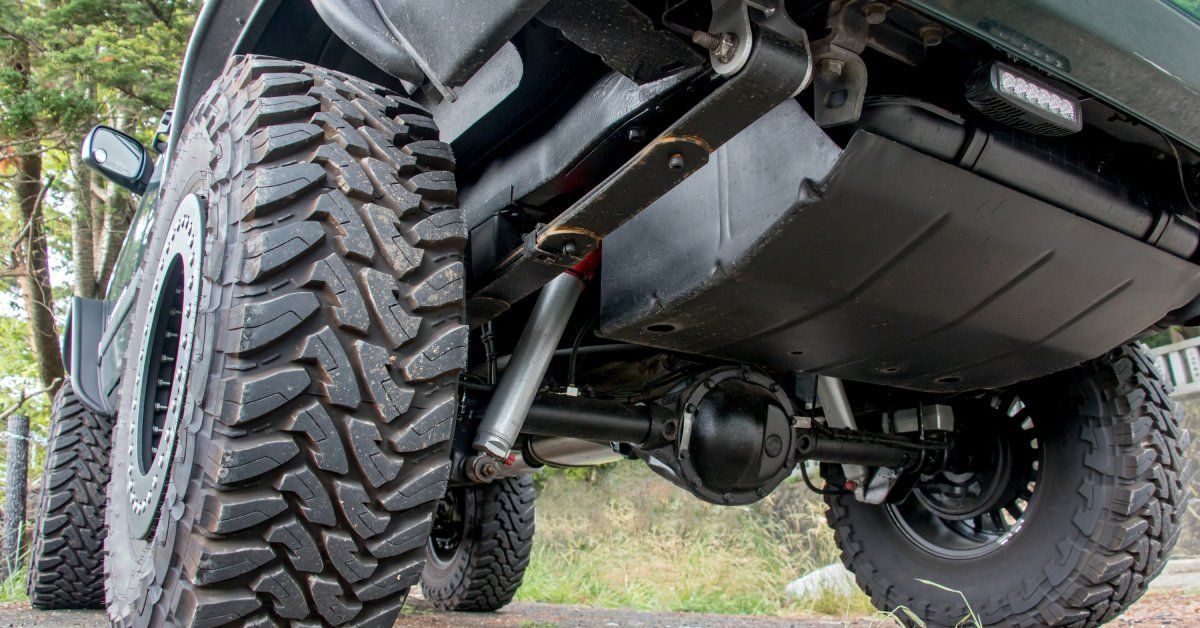
Your tires can tell you a lot about the condition of your suspension. Take a close look at the tread across all four tires. A properly functioning suspension keeps the tires evenly on the road, which leads to uniform wear. Worn suspension components can cause misalignment and an uneven distribution of weight.
You might see a pattern called "cupping" or "scalloping," which appears as dips or high and low spots on the tread. This pattern is almost always caused by a bouncing wheel, a direct result of bad shocks or struts. If you notice strange wear patterns, it’s a good idea to have a mechanic check both your tires and your suspension system.
A Lower-Than-Usual Stance
Does your truck look like it's sagging? Park it on a level surface and take a look at its profile. If one corner sits lower than the others, or if the entire truck seems to ride lower than it used to, you could have a problem with your springs. The springs are what hold up the weight of your vehicle, and over time, they can weaken and sag.
A broken spring is a more serious issue that will cause a very noticeable drop in one corner of the truck. This can happen from rust, metal fatigue, or a particularly hard impact. A sagging or broken spring affects not just ride height but the entire geometry of your suspension and steering, so it's a problem that needs immediate repair.
Fluid Leaks on Shocks or Struts
Take a moment to visually inspect the shock absorbers or struts themselves. These components are hydraulic cylinders filled with fluid. A light film of oil might be normal, but if you see fluid actively leaking and running down the side of the shock body, it’s a sign that the seals have failed.
When a shock leaks, it loses the fluid it needs to dampen impacts effectively. This renders it useless, and it will need to be replaced. A greasy, oily shock absorber is a telltale sign that it's no longer performing its function and is contributing to all the other ride quality issues you might experience.
Unusual Noises From Below
Your truck should be a relatively quiet machine, apart from the engine. If you start to hear clunking, creaking, or knocking sounds coming from the undercarriage, especially when you go over bumps or make turns, it’s your suspension trying to tell you something. These noises can come from a variety of worn-out components.
A clunk could be a bad ball joint or a worn-out sway bar link. A creaking noise might point to failing control arm bushings. These sounds are the result of metal-on-metal contact where there used to be a buffer. It's best to have a professional diagnose the source of the noise to pinpoint the exact part that needs replacement. You can contact a reliable truck custom shop directly to address this suspension issue and many more.
Restoring Your Truck's Performance
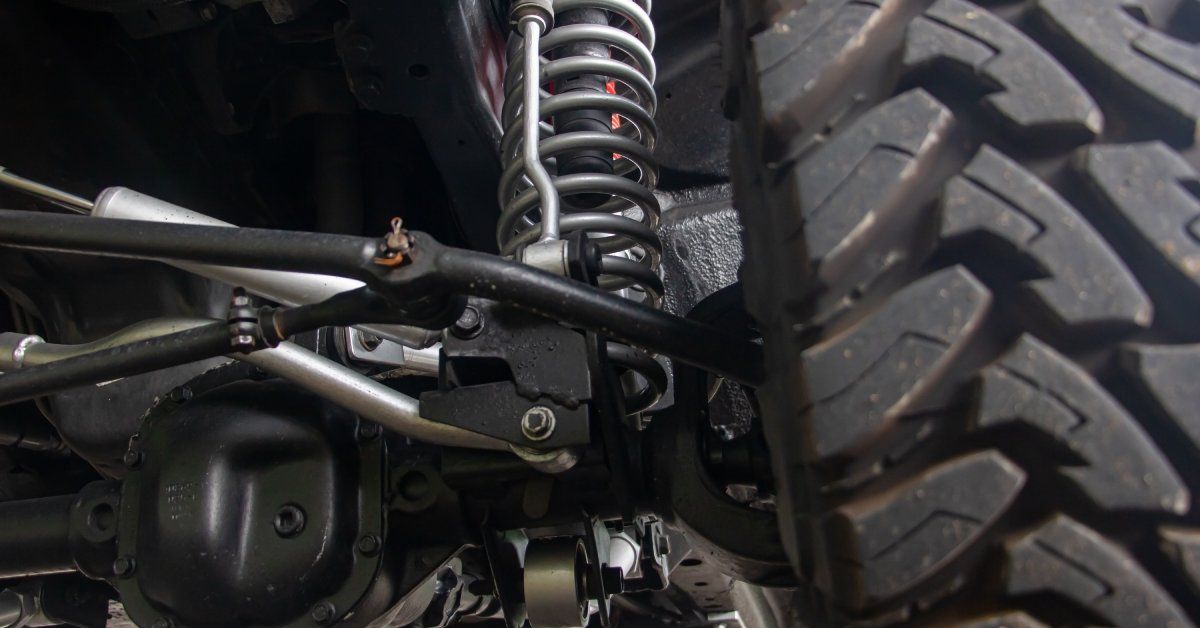
Ignoring these symptoms can lead to more extensive damage and can compromise your safety on the road. A worn suspension affects your ability to control the vehicle, especially in emergency situations. The good news is that replacing worn components can make your truck feel brand new again. These signs it’s time to replace your truck’s suspension are your vehicle's way of asking for some much-needed attention, which will restore its comfort, performance, and safety for many more miles to come. Keep an eye out for these signs so you can keep your ride in great condition.