
6 Different Types of Car Window Tints To Know
A fresh tint can change how a vehicle feels the moment you step inside. Heat drops, glare fades, and the cabin feels more private. Before you invest in a quality tint, it’s important to know how to identify the different options available. Follow our guide below to get a closer look at different types of car window tints to know so you can talk to experts with confidence and clear expectations.
The Power of Window Tinting
Window tint goes far beyond looks. Each type offers a mix of heat rejection, UV defense, and durability. Some films focus on budget-friendly coverage, while others lean toward high-end performance.
Your choice depends on daily driving habits, climate, and how much protection you want from the sun. In places with intense summer heat, a better film can turn a rough commute into a far more pleasant ride. Sunlight can feel relentless during peak months. A quality tint cuts down interior heat and shields your skin from UV rays.
That extra layer helps preserve upholstery, too, so seats and trim keep their color longer. Drivers also enjoy reduced glare after installing a high-quality tint, especially during long highway stretches or early morning drives.
There’s also a comfort factor that goes beyond temperature. A darker cabin offers more privacy at stoplights and in parking lots. You won’t feel like you’re on display every time you run errands. Many drivers say that extra sense of space feels just as valuable as the heat reduction.
1. Dyed Window Tint
Dyed film stands as one of the most common entry-level options. It uses a layer of dye between adhesive and protective coating. That design absorbs sunlight and helps cut down glare inside the vehicle. Many drivers choose this type for its lower price point and classic dark appearance
This option works well for drivers who want a simple upgrade. It offers a clean look without a large investment. Color fade can eventually occur, especially in regions with strong sun exposure. Even with that drawback, a dyed window tint remains a popular choice for basic coverage.
2. Metalized Window Tint
This film includes metallic particles that reflect incoming light and heat away from the vehicle. That reflective quality improves durability and adds a bit of strength to the window itself. Some drivers like the slight shine that comes with this finish.
There are a few trade-offs to consider. Metal content can interfere with signals from phones, GPS units, or radios. That factor may not suit drivers who rely on strong connectivity. Still, the additional durability and heat rejection appeal to many vehicle owners.
3. Hybrid Window Tint
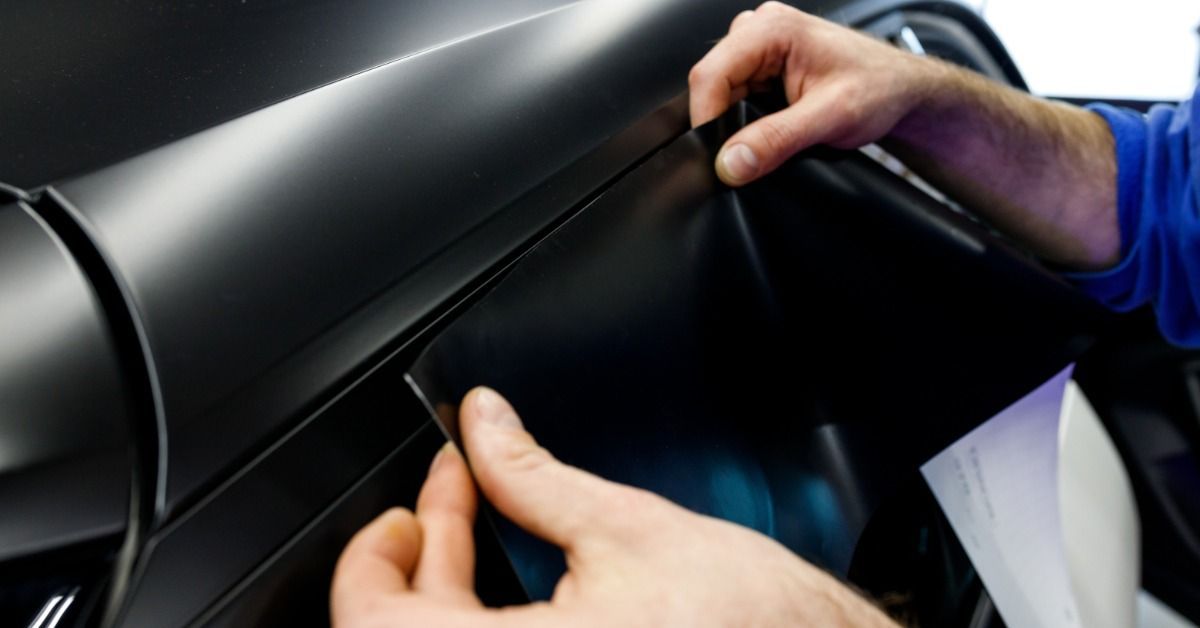
Hybrid tint blends dyed and metalized layers into one film. This combination balances cost, appearance, and performance. You get better heat rejection than dyed film, without the heavy reflectiveness of metalized options. The result feels like a middle ground that suits many daily drivers.
This type works well for those who want improved comfort without stepping into premium pricing. It also reduces the signal interference seen with full metal films. Many drivers find that balance appealing for both city and highway use.
4. Carbon Window Tint
Carbon tint skips metal entirely and relies on carbon particles instead. That structure blocks infrared light and reduces heat inside the vehicle. It also resists fading far better than dyed film, so the color stays rich over time. The finish tends to look matte, giving a sleek and modern feel.
Drivers who want a step up from basic options frequently land here. A ceramic tint offers strong performance without signal interference. The interior stays cooler, and the tint keeps its look through years of sun exposure. That durability makes it a favorite for long-term value.
5. Ceramic Window Tint
Ceramic film sits at the high end of the tint spectrum. It uses non-metallic, non-conductive ceramic particles to block heat and UV rays. This type offers top-tier clarity, so visibility remains sharp even with darker shades. Many drivers love how it reduces heat without a mirrored appearance.
This option suits drivers who want premium performance. It delivers strong heat rejection, UV defense, and long-lasting color. There’s no signal interference, and the film holds up well in extreme conditions. For those who spend a lot of time behind the wheel, ceramic tint can feel like a major upgrade.
6. Crystalline Window Tint
Crystalline film focuses on high clarity with strong heat rejection. It uses advanced layering to block infrared light without a dark look. That means you can keep a lighter shade while still gaining solid protection from heat. Many drivers choose this type for a clean, almost invisible finish.
This option works well for those who prefer a subtle style. It keeps the cabin cooler without changing the vehicle’s appearance too much. That balance appeals to drivers who want performance without a bold tint look.
Choosing the Right Tint for Your Vehicle
Now you’ve seen the full lineup of different types of car window tints to know, from budget-friendly dyed film to high-performance ceramic options. The right choice depends on how you use your vehicle and what kind of driving experience you want every day. Each tint type offers a different mix of style and function.
Budget plays a role, but daily habits matter just as much. A driver who parks outside all day may want stronger heat rejection. Someone who drives short distances may lean toward a more basic option.
Local laws also come into play. Tint limits vary by state, so it’s smart to check legal requirements before you choose a shade. A professional shop can guide you through those rules and help you stay within legal limits. That way, you get the look you want without future headaches.
What Sets Professional Tint Apart
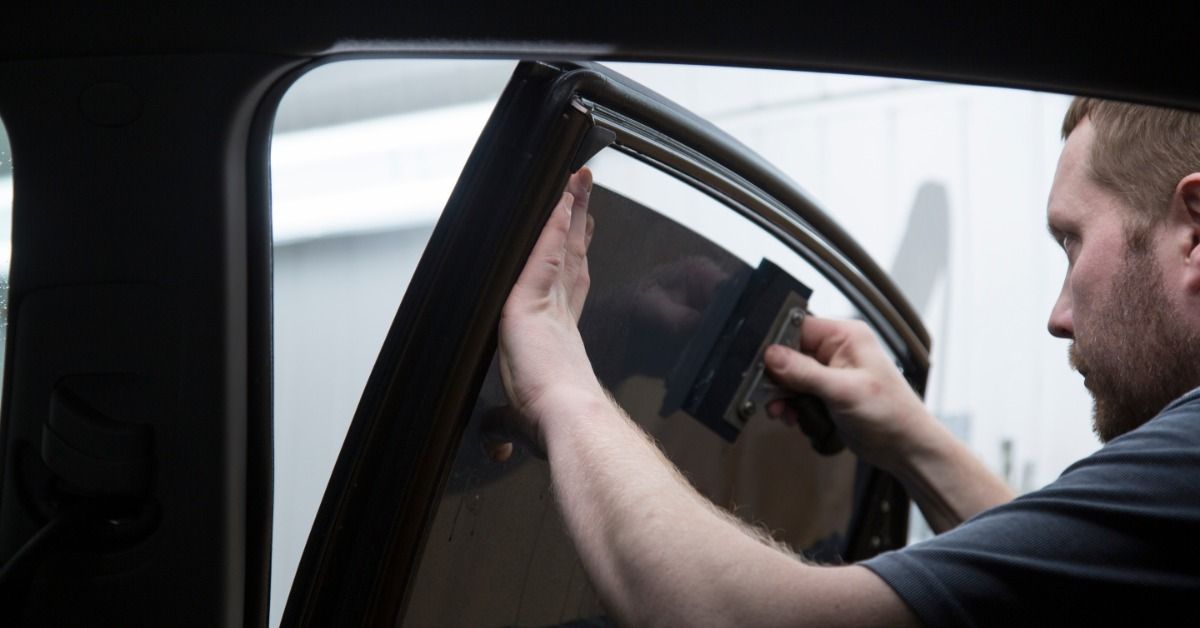
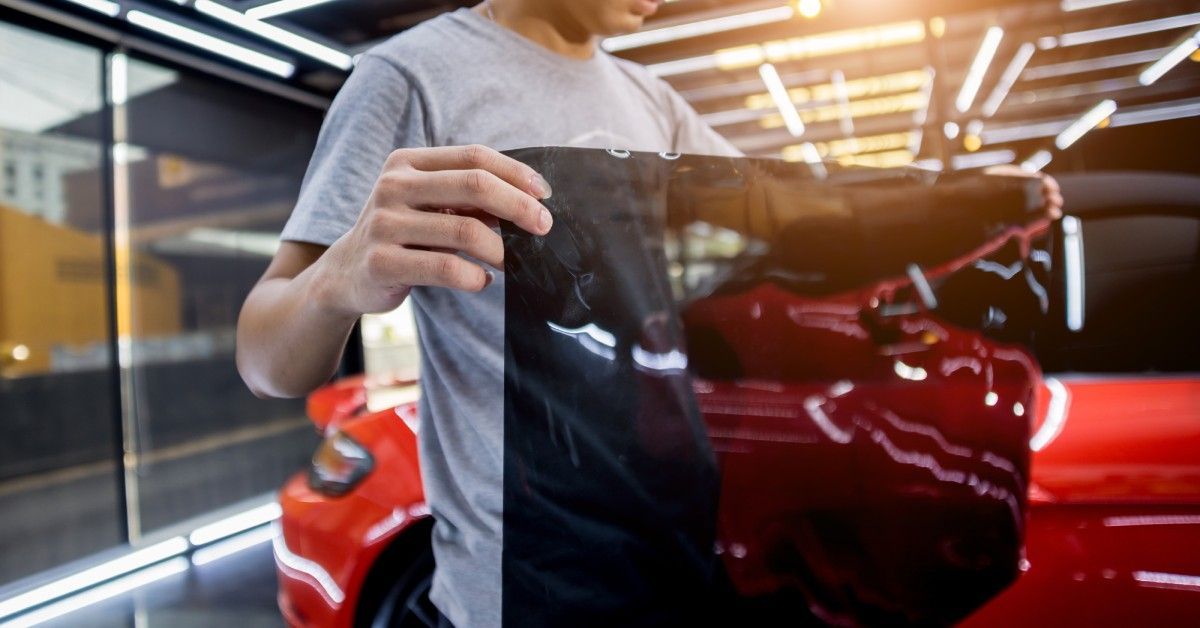
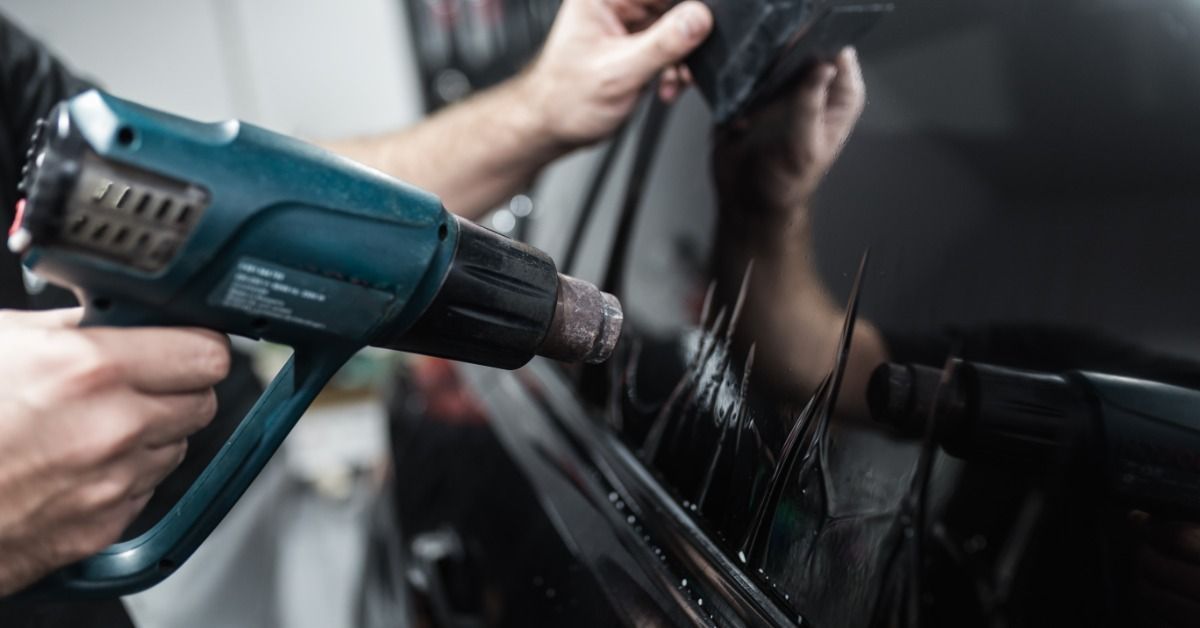
You can talk to an expert about custom window tinting right now. A professional install changes the entire experience. Clean edges, smooth application, and proper curing all contribute to a polished result.
DIY kits rarely match that level of precision. A trained technician knows how to avoid bubbles, peeling, and uneven lines. Shops also carry high-quality brands with proven performance.
If you’re ready for cooler drives and a more refined look, take the next step and schedule a tint service. A quick consultation can help you compare films and find the right fit for your needs. Your vehicle deserves that upgrade, and your daily drive will feel better from the first mile.