
The Science Behind Automotive Window Tinting: How It Works
Driving around in the hot sun can feel like a personal attack on your car’s interior. Seats heat up fast, dashboards fade, and the glare hits hard during every afternoon drive. That’s where the science behind automotive window tinting, and how it all works, come into play. If you’ve thought about window tint for comfort, style, or protection, now’s a great time to reach out to reliable experts and talk through your options with a team that lives and breathes this stuff.
Window tint isn’t just dark film stuck onto glass. There’s chemistry, physics, and a whole lot of testing behind every quality product. When installed right, tint changes how your vehicle handles heat, light, and UV exposure. That science works quietly in the background every time you turn the key. Let’s break it all down so you can get a better idea of how to upgrade your ride.
What Automotive Window Tint Really Is
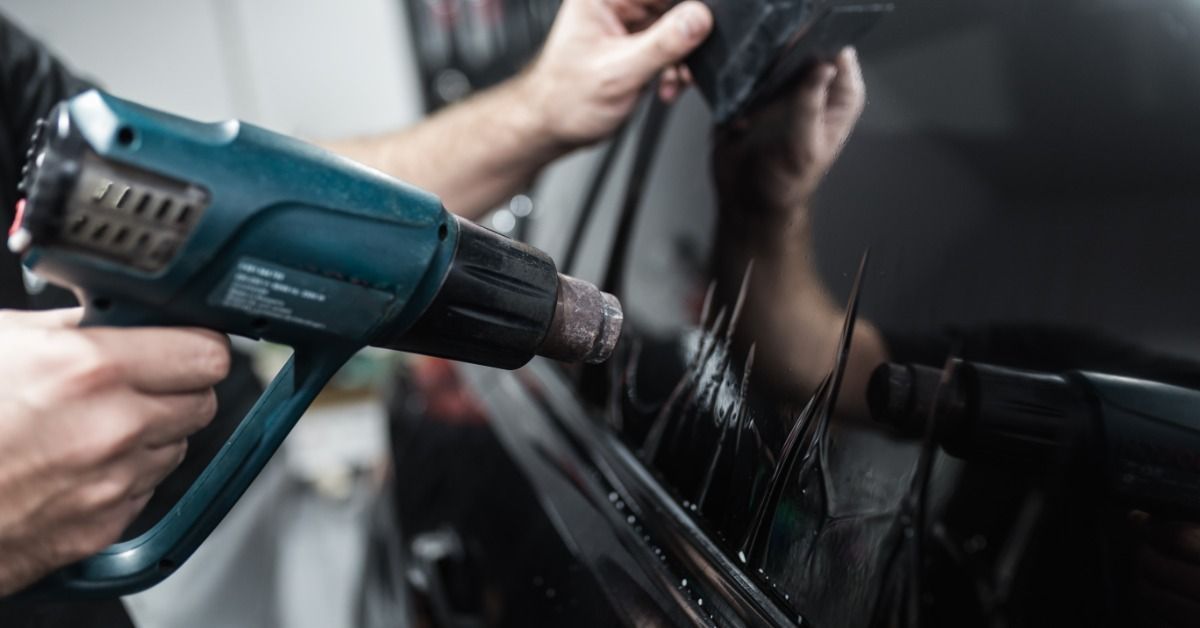
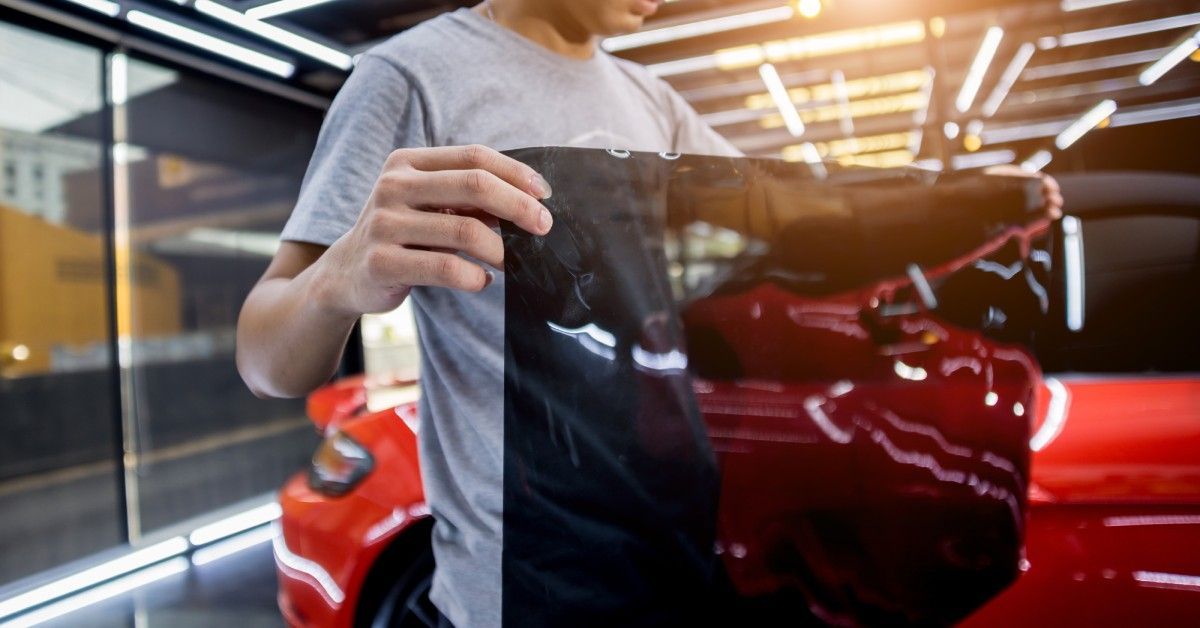
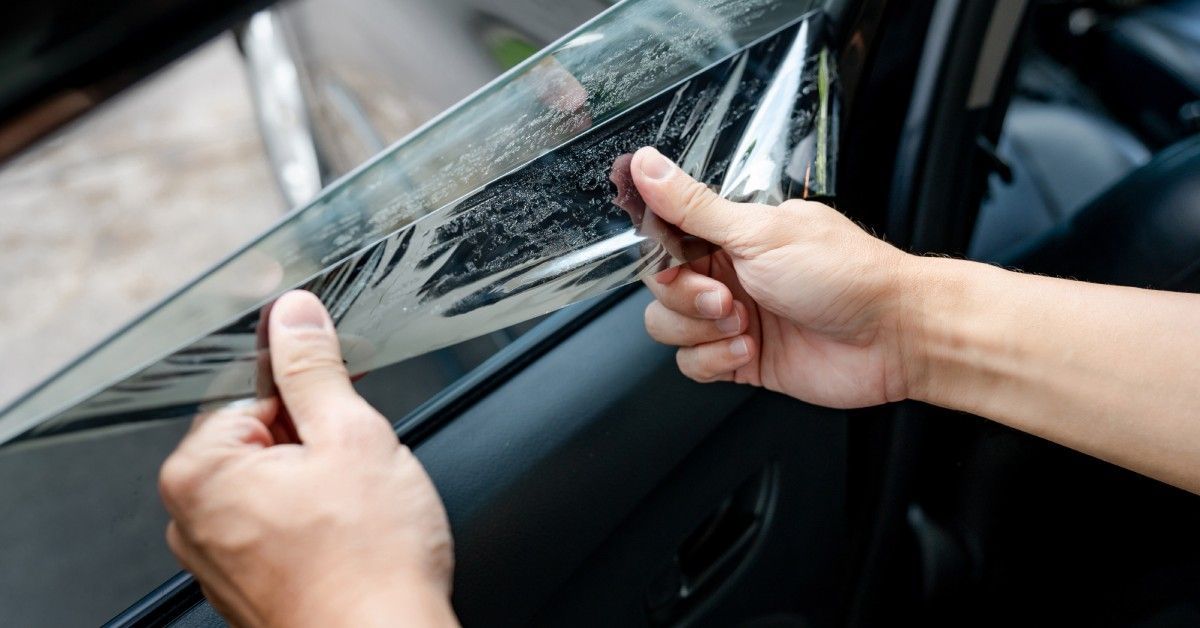
Automotive window tint starts as a thin, layered film designed to bond directly to your vehicle’s glass. Each layer has a job, from light control to UV defense. When combined, they create a barrier between the sun and your cabin. That barrier works without blocking your view or altering how the glass functions.
Modern tint films use advanced materials rather than dyes alone. Older films relied heavily on color to darken windows, which led to fading and uneven results over time. Today’s options focus on performance and longevity. That’s why premium films feel different right away.
LLumar window tint stands out for consistency and quality. The film stays stable, keeps its look, and holds up under heat. That reliability starts at the molecular level.
How Tint Interacts With Sunlight
Sunlight reaches your car in three main forms: visible light, infrared heat, and ultraviolet rays. Each behaves differently once it hits glass. Untreated windows allow most of that energy straight inside. That’s why interiors heat up so fast. Tint film reflects and absorbs portions of that energy before it enters the cabin. Visible light gets filtered to cut glare without turning your windshield into a cave.
Infrared energy, which carries heat, gets swiftly redirected away from the glass. UV rays hit a wall, which protects skin and interior materials. This balance explains why a tinted car feels cooler even on bright days. The glass still does its job, but with backup support.
The Role of UV Protection
Ultraviolet rays cause fading, cracking, and long-term damage inside vehicles. Leather seats, vinyl trim, and dashboards take the biggest hit. Over time, colors dull and surfaces lose flexibility.
That wear adds up fast under the hot sun. Quality window tint blocks a massive percentage of UV exposure. That shield protects passengers and preserves the interior.
It also helps drivers who spend long hours behind the wheel feel more comfortable. Top-quality films provide high UV rejection without sacrificing clarity. You won’t notice a color shift or haze. You’ll just notice that your interior stays nicer longer.
Heat Control Without the Dark Look
Many drivers assume darker tint equals better heat control. That idea made sense years ago, but technology has changed. Modern films handle heat through advanced layers rather than darkness alone.
That’s great news for drivers who want a clean look. Ceramic and metallized films reflect infrared heat very efficiently. They do that while maintaining lighter shades that stay street-legal.
Your car feels cooler without drawing unwanted attention. This approach also keeps visibility sharp during night drives. You get comfort during the day and clarity after sunset.
Why Film Layers Matter
Tint film uses multiple layers, each with a specific role. One layer handles adhesion to glass. Another manages UV defense. Others reflect heat or stabilize color. Together, they form a durable system.
Cheaper films skip layers or rely on basic dyes. That shortcut leads to bubbling, discoloration, and peeling. Once that starts, the film loses effectiveness fast.
LLumar films use precision layering with long-term stability in mind. That structure keeps the film performing year after year. It’s a big reason Fat Lip Customs uses this brand when performing auto window tinting services.
Clarity and Visibility From the Driver’s Seat
A good tint should never distort your view. That clarity depends on film quality and professional installation. When either falls short, drivers notice haze, ripples, or uneven shading.
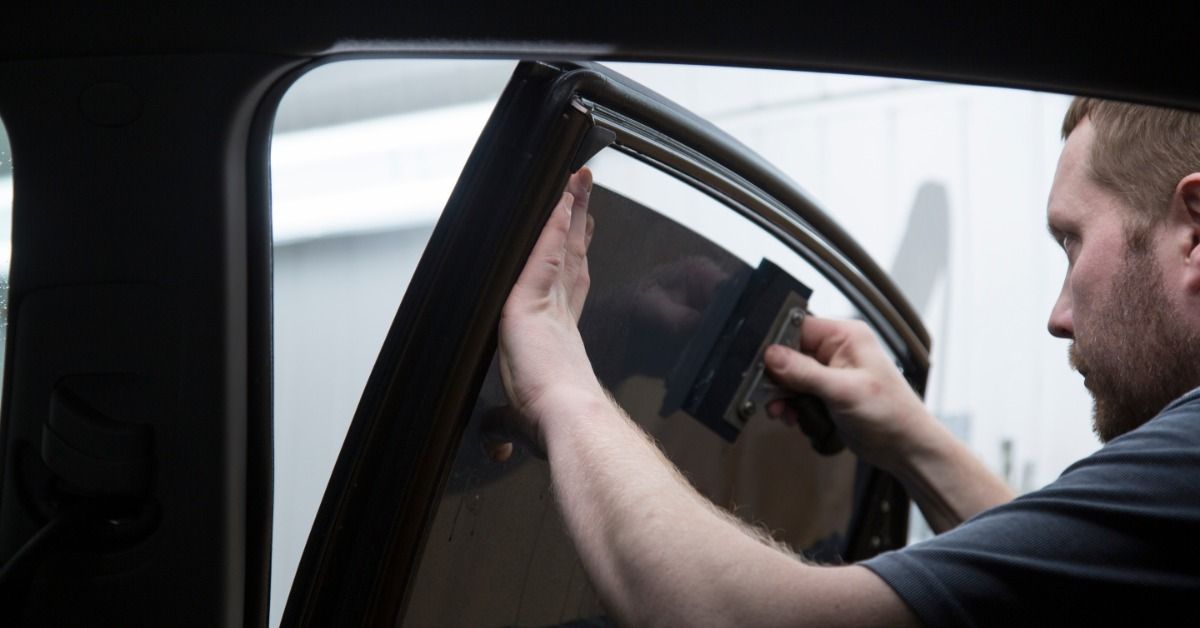
High-grade films maintain optical clarity across the entire window. Light passes through cleanly without visual noise. That matters during rain, night driving, or sudden lighting changes. When you choose a reliable auto tint provider, installation gets the same attention as product choice. Precision matters, and small details affect daily driving comfort.
Legal Limits and Smart Shade Choices
Every state sets its own rules for window tint darkness. Your local law outlines visible light transmission limits for each window. Staying within those limits keeps you hassle-free.
Quality tint still performs well inside legal ranges. Heat and UV rejection don’t disappear just because a film looks lighter. That’s where modern technology really shines. A good local auto tint service works within those guidelines and helps drivers select shades that fit both lifestyle and local laws. That guidance saves time and stress later.
Longevity Comes From Materials and Skill
Tint lifespan depends on film construction and installation quality. Sun exposure, heat cycles, and daily use all test the film. Weak products fail early under that pressure.
Premium films resist color shift, bubbling, and edge wear. They stay bonded to the glass and maintain appearance. That durability pays off long term. Professional installation prevents contamination and alignment issues. When film sits perfectly, it performs better and lasts longer.
Everyday Comfort You’ll Notice Fast
The science behind automotive window tinting and how it works shows up in daily driving. Seats stay cooler after parking. Steering wheels feel manageable. Air conditioning works more efficiently. These benefits don’t shout for attention. They quietly improve every drive.
At Fat Lip Customs, window tint combines trusted LLumar products with skilled installation. That combination delivers comfort, protection, and a clean finish that lasts. If your vehicle could use a cooler, calmer cabin, now’s the perfect time to call or stop by and talk through your options with the team.