
10 Signs It’s Time To Replace Your Truck’s Brakes
Your truck’s brakes put in a lot of work, from daily commutes and school drop-offs to long highway trips and weekend errands. Most drivers don’t think much about them until the brake pedal feels strange or an unfamiliar sound comes from a wheel. A little awareness can help you spot trouble before your next drive becomes far more stressful. This guide covers signs it’s time to replace your truck’s brakes so you can recognize what your vehicle may try to tell you.
#1 Your Brakes Squeal or Squeak
A high-pitched squeal from the wheels can serve as one of the first clues that your brake pads need attention. Many brake pads have wear indicators designed to produce a noticeable sound once the pad material reaches a certain point. That little squeal can be annoying, but it has a purpose.
A brief squeak doesn’t always mean your brakes need immediate replacement. Moisture, dust, or debris can cause temporary noise in some cases. A sound that returns every time you use the brakes deserves a closer look, especially if it grows louder over time. An inspection can reveal if worn pads sit behind the noise.
#2 You Hear a Harsh Grind
Squeaks may be irritating, but a harsh grind has a much less subtle personality. A metal-on-metal sound can point to brake pads that have worn down too far. At that stage, other brake components may face added wear each time you use the pedal.
Don’t treat a grind as one of those vehicle quirks you’ll deal with next month. Continued use can lead to more extensive brake service and a less comfortable drive. Schedule an inspection as soon as you notice a persistent grind from one or more wheels.
#3 The Brake Pedal Feels Soft
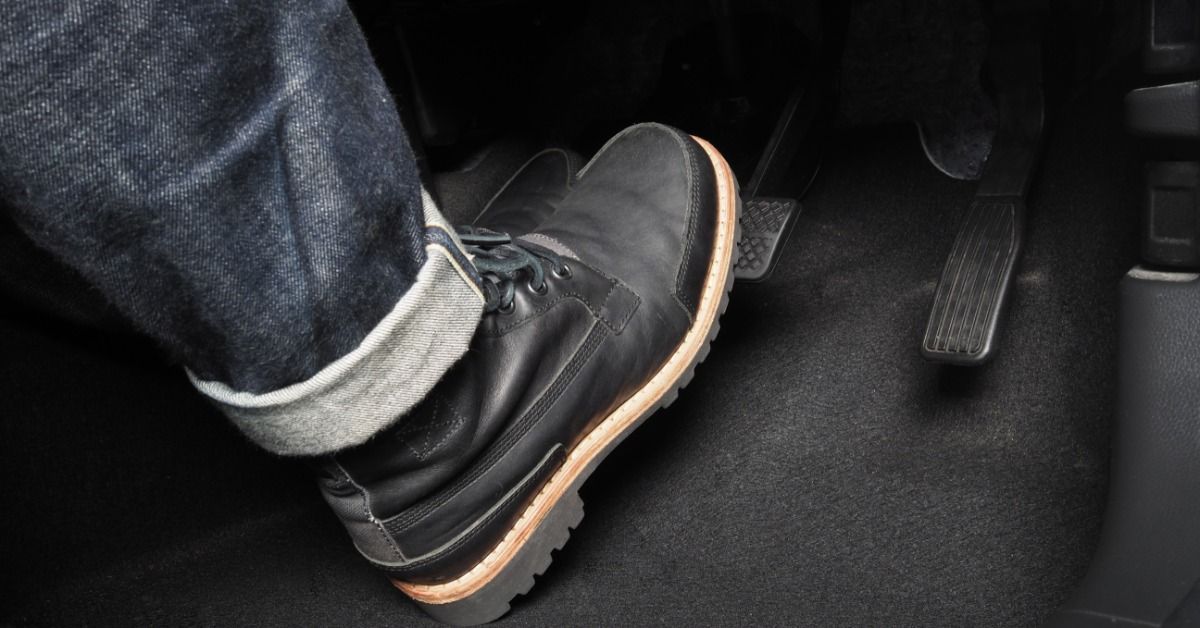
You probably know the normal feel of your truck’s brake pedal even if you’ve never thought about it. Your foot develops a sense for how much pressure the pedal needs and how far it travels. A pedal that suddenly feels soft, spongy, or unusually easy to press deserves attention.
Several brake system issues can contribute to a change in pedal feel, so this symptom calls for a professional diagnosis rather than a guess in the driveway. You may also notice that the pedal travels farther toward the floor than it did before. Treat any clear change in pedal response as a reason to have the system checked.
#4 Your Truck Takes Longer To Stop
Drivers become familiar with how their trucks respond in everyday traffic. You know roughly how much space you need at a stop sign or how the vehicle reacts as traffic slows ahead. If that familiar response starts to change, pay attention.
A truck that needs more distance to come to a stop may have worn brake components or another issue within the brake system. The change can appear gradually, so it’s easy to adapt without much thought. Don’t let a new stopping pattern become your new normal. Have a professional inspect the brakes and find the cause.
#5 The Truck Pulls to One Side
Your truck should remain predictable when you slow down on a straight road. If it drifts or pulls noticeably to one side under brake pressure, something may need service. Uneven brake wear can contribute to this behavior, though other vehicle issues can create a similar sensation.
That overlap is one reason a professional inspection has value. A technician can examine the brake components and determine if the pull comes from the brake system or another source. Until then, don’t assume an alignment issue sits behind every sideways tug.
#6 You Feel Vibration Through the Pedal
A brake pedal should feel steady under normal use. If you start to feel a pulse, shake, or vibration through your foot, take note of when it occurs. A repeated vibration during brake use can point to a problem that deserves an inspection.
You may also feel the sensation through the steering wheel or elsewhere in the truck. The exact cause can vary, so the symptom alone doesn’t tell the whole story. Give your technician as much detail as you can about when the vibration appears and how severe it feels. Those details can help narrow down the source.
#7 A Brake Warning Light Appears
Dashboard lights aren’t exactly the most welcome part of a drive, but they exist for a reason. If a brake-related warning light appears, don’t cover it with a mental sticky note and promise yourself you’ll remember later. Give it prompt attention.
A warning light can appear for more than one reason, and not every cause means you need a full brake replacement. Still, the light signals that the system needs a closer look. Your owner’s manual can provide basic information about the symbol, and a professional inspection can identify the actual cause.
#8 Your Brake Pads Look Thin
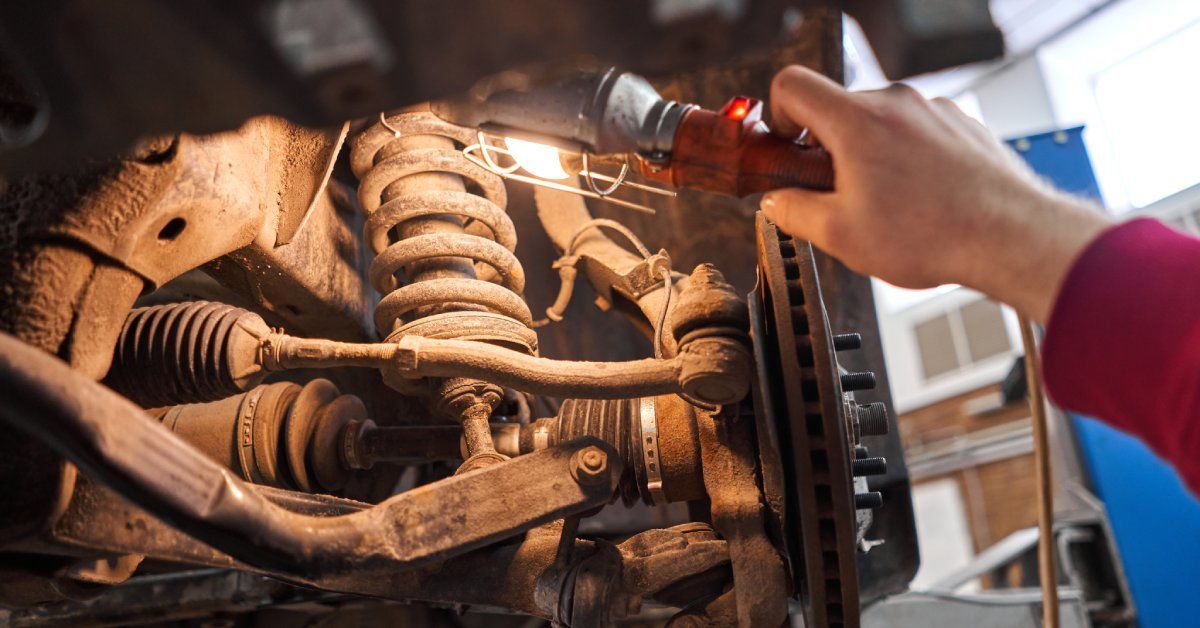
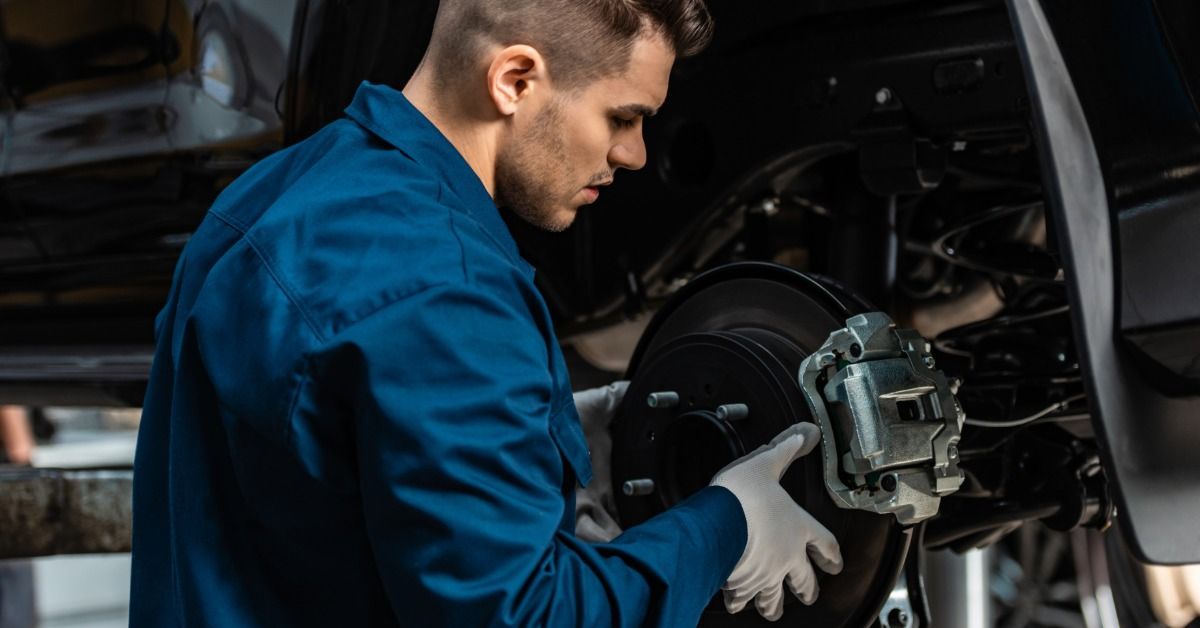
Some trucks allow you to see part of the brake pad through the wheel. If you’re familiar with what you’re looking at, a visual check can give you a rough idea of pad condition. Very thin pad material may indicate that replacement time has arrived.
A visual check isn’t a substitute for a full inspection. Brake wear can vary from one wheel to another, and parts you can’t easily see may also need attention. If the pads look noticeably thinner than you remember, let a professional take a closer look.
#9 You Notice Brake Fluid Near the Truck
A puddle under your truck can come from several sources, so the location and appearance of the fluid matter. Brake fluid near a wheel or beneath the vehicle deserves prompt professional attention. A leak can affect how the brake system responds.
Avoid assumptions based on color alone. Trucks contain several fluids, and a technician can identify the source far more reliably than a quick glance at the driveway. If you suspect brake fluid loss, arrange for an inspection rather than waiting for another symptom to appear.
#10 The Truck Shakes or Feels Unstable Under Brake Pressure
A truck can feel perfectly composed at cruising speed, but behave differently once you press the brake pedal. Shakes, shudders, or an unstable sensation during deceleration can point toward brake trouble. Even a mild change deserves attention if it repeats.
Take note of the circumstances around the symptom. It may appear at highway speeds, during harder stops, or at lower speeds around town. Those details give a technician useful context and can help with diagnosis.
Don’t Ignore the Signs Your Truck’s Brakes Need Replacement
Brake symptoms have a habit of starting small. A faint squeak, a slight vibration, or a pedal that feels a little different can seem easy to dismiss during a busy week. Those clues still deserve your attention, especially when they persist or become more noticeable.
Recognizing signs it’s time to replace your truck’s brakes can help you address wear before the symptoms become harder to ignore. You don’t need to diagnose the problem yourself or know every part inside the brake system. Pay attention to changes, describe what you’ve noticed, and let an experienced professional handle the inspection. Contact our truck custom shop to get clear guidance on the service your vehicle needs.